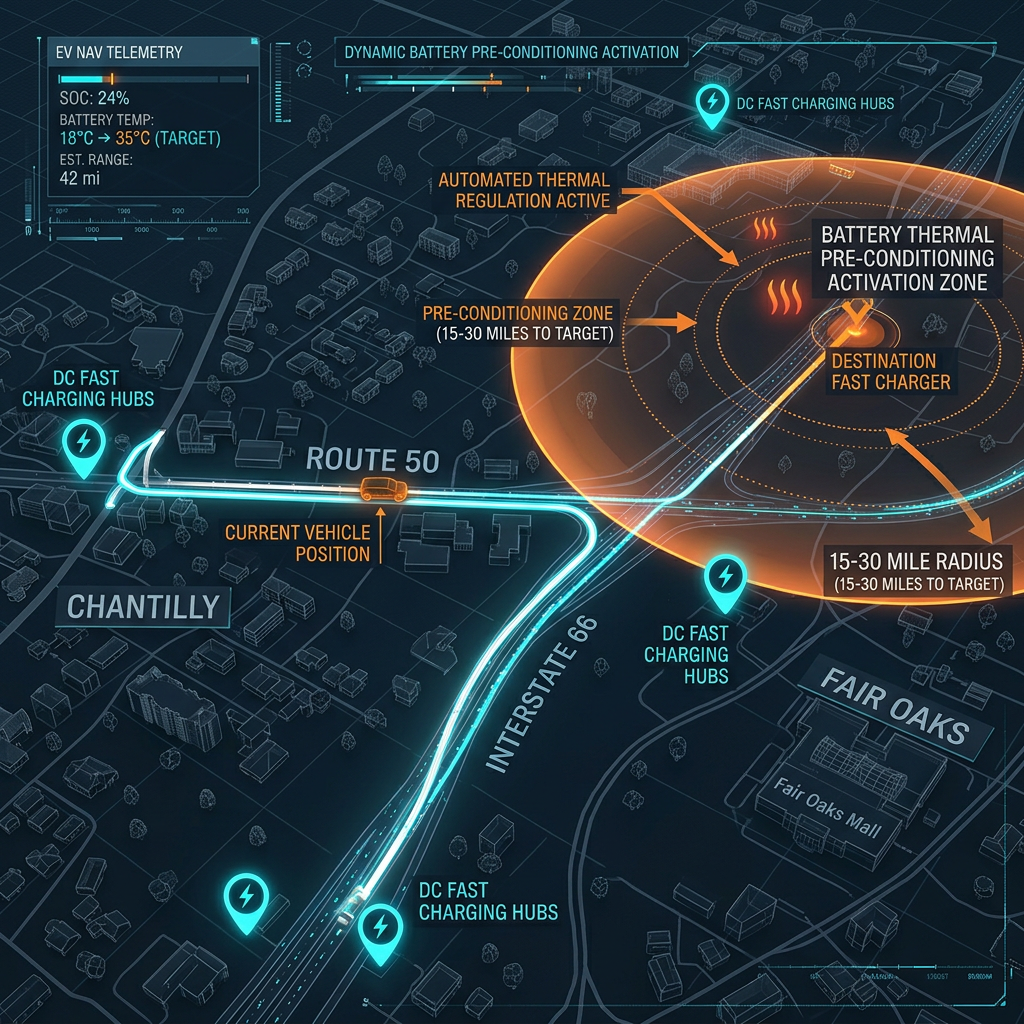
When driving a modern luxury electric vehicle like the Cadillac Lyriq or Escalade IQ, maximum direct-current fast charging speed relies heavily on lithium-ion battery chemistry temperature. Cadillac’s automatic battery pre-conditioning system typically initiates between 15 to 45 minutes(or roughly 15 to 30 miles) prior to your calculated arrival at a designated DC fast charging station. This automated thermal preparation ensures that the battery pack reaches its ideal electrochemical threshold of approximately 86°F to 104°F (30°C to 40°C) precisely as you pull up to the charger plug.
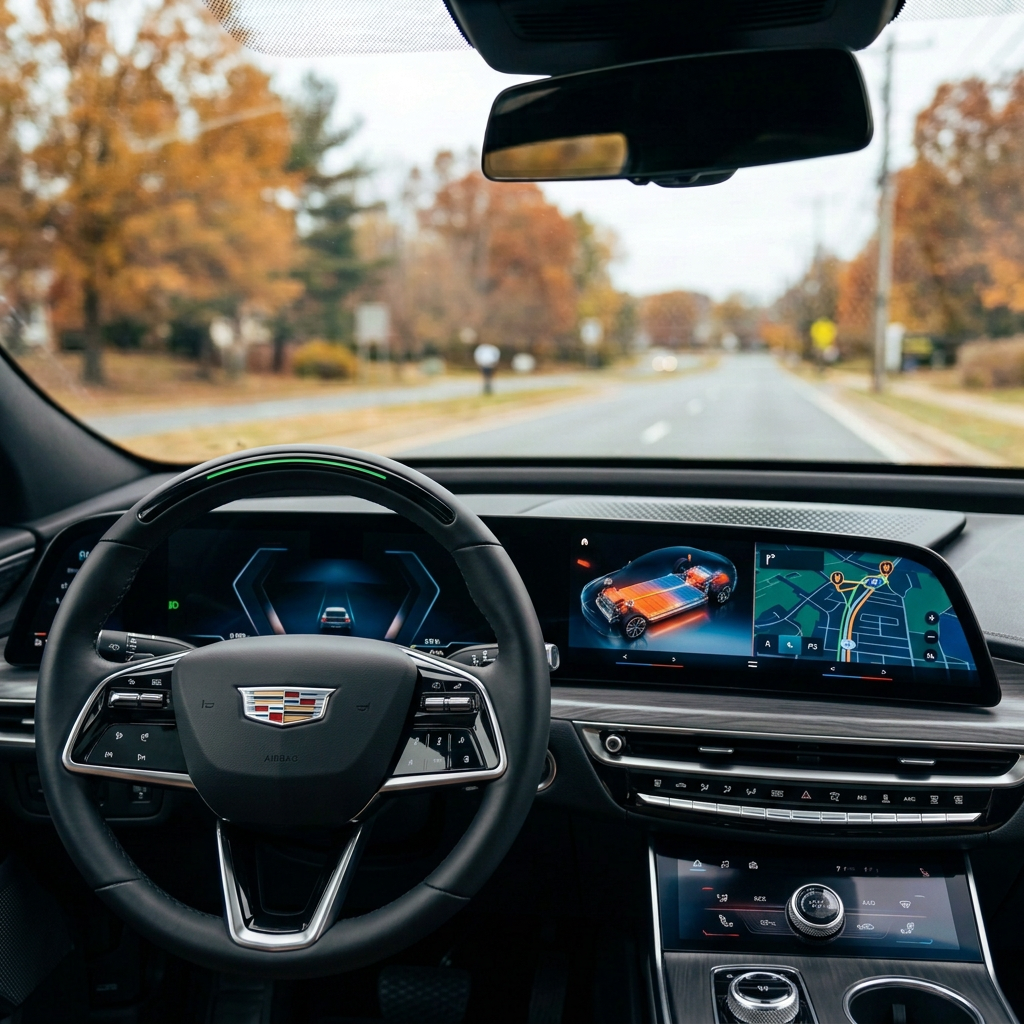
The exact timing is not a fixed countdown timer; rather, it is dynamically computed by the vehicle’s onboard battery management software. Factors controlling the trigger point include current outdoor ambient temperatures across Northern Virginia, real-time vehicle speed, battery state of charge (SoC), and the elevation profile of your planned route. During brisk autumnal drives or frigid winter mornings near Chantilly, the Ultium thermal management network starts circulating heated coolant through the battery modules earlier in your journey. Conversely, on mild spring days, pre-conditioning requires a much shorter lead time of 10 to 15 minutes to reach peak electrical conductivity.
How the Ultium Navigation System Triggers Automated Battery Thermal Conditioning
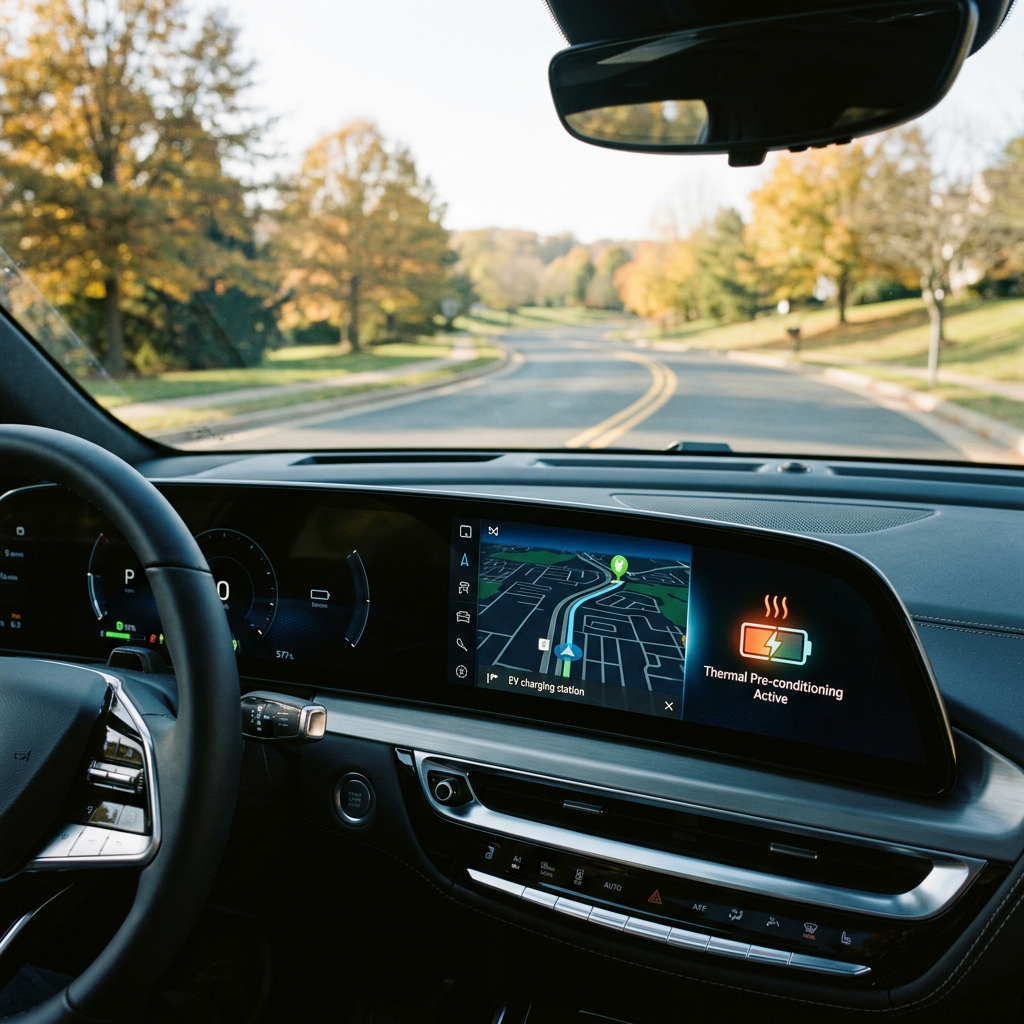
Automated pre-conditioning relies directly on integrated route planning. When you set a high-speed public DC fast charger as your destination using the native Google Built-In infotainment system, your Cadillac EV establishes a continuous data link between route telemetry and the Battery Energy Control Module (BECM). The system continuously evaluates remaining distance, traffic flow along major corridors like Route 50 and Interstate 66, and ambient weather telemetry.
If your route includes intermediate stops, the Ultium energy management algorithms calculate the exact mile marker where battery heating or cooling must start. By continuously measuring internal cell temperatures, the system avoids wasting battery energy on premature heating while guaranteeing that the pack reaches peak chemical readiness the moment you park at the charging stall.
Key Takeaway: For automatic pre-conditioning to activate, you must select the charger as an official waypoint or final destination inside the vehicle’s native navigation app rather than using third-party mobile mirror apps without battery telemetry sharing.
How Do You Manually Activate Battery Pre-Conditioning in a Cadillac EV?
There are situations where automatic trigger mechanisms may not engage. For instance, if you are navigating to a newly installed unlisted charging station or utilizing smartphone mapping applications via phone projection, native automatic conditioning might not trigger. Fortunately, Cadillac equips its electric vehicle lineup with a quick manual pre-conditioning command accessible directly through the central high-definition display.
To initiate manual pre-conditioning on your Cadillac Lyriq or EV model, tap the Charging App icon on the central display, navigate to the Battery Conditioning tab, and press Start Pre-Conditioning. The instrument cluster will confirm activation with a thermal notification status.
Step-by-Step Manual Pre-Conditioning Guide:
1. Access the main infotainment touchscreen home screen.
2. Select the
Charging application tile.
3. Touch the
Pre-Condition for Maintenance / Charging sub-menu.
4. Select
Enable Now approximately 20 to 35 minutes prior to arriving at your fast charger.
Manual activation is especially advantageous when making spontaneous charging stops along Northern Virginia travel routes or when fast chargers are located in unmapped commercial plazas.
Impact of Sub-Freezing Northern Virginia Temperatures on Activation Timing and Charge Speed
Sub-Freezing Winter (Below 32°F)
During severe Northern Virginia winter stretches, cold lithium-ion electrolyte slows chemical reactions. In these conditions, automatic pre-conditioning can activate up to 45 to 60 minutes in advance, requiring maximum energy to warm the battery mass from freezing up to optimal temperature.
Moderate Autumn & Fall (40°F – 60°F)
In typical late fall conditions across Fair Oaks and Chantilly, battery cold-soak is moderate. Pre-conditioning generally kicks in 20 to 30 minutes prior to arrival, balancing auxiliary power consumption against rapid charge acceptance rates.
Mild Spring & Summer (65°F+)
Warm weather requires minimal heating. On hot summer afternoons, the thermal system actually operates in active cooling mode 10 to 15 minutes before charging to prevent battery overheating during 190 kW high-speed energy transfer.
Does the Cadillac EV Platform Feature a Standard Heat Pump System for Cold Weather Efficiency?
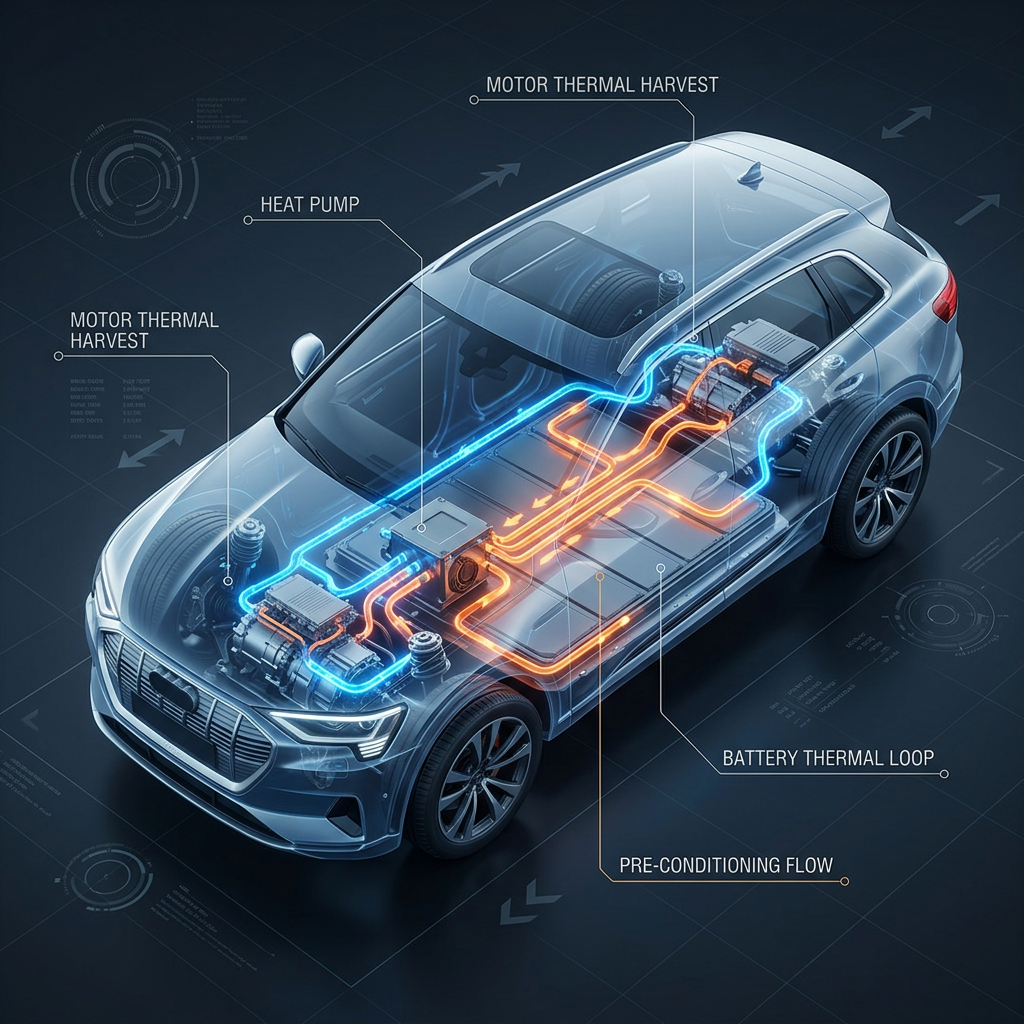
Yes, every vehicle built on GM’s Ultium electric vehicle architecture incorporates a standard, highly sophisticated Ultium Energy Recovery System equipped with a advanced heat pump unit. Unlike traditional resistive electric heaters that consume vast amounts of high-voltage battery power to generate cabin warmth, the Ultium heat pump system harvests waste heat from multiple sources across the vehicle platform.
It captures thermal energy emitted by the electric drive motors, power electronics, power inverter modules, and even the battery pack itself. Furthermore, it can extract moisture and warmth from cabin air exchange. By redirecting this harvested heat toward battery pre-conditioning and cabin climate control, Cadillac EVs achieve exceptional cold-weather efficiency, preserving precious driving range during cold Virginia winters.
What Is the Expected Real-World Winter Range for a Cadillac Lyriq AWD?
All electric vehicles experience range degradation in cold weather due to increased air density, cabin heating demands, and internal electrochemical resistance. The EPA-estimated range for a Cadillac Lyriq AWD is 307 miles under ideal conditions. During Northern Virginia winter commutes between Stone Ridge, Fair Oaks, and Washington D.C., drivers can expect realistic cold-weather range figures based on driving style and departure preparation.
| Operating Condition |
Ambient Temperature |
Estimated Range (AWD) |
Efficiency Impact |
| Ideal Summer / Spring |
70°F to 75°F |
307 Miles |
100% (Baseline) |
| Mild Fall / Autumn |
45°F to 55°F |
275 – 285 Miles |
~90% – 93% |
| Freezing Winter (Unconditioned) |
20°F to 30°F |
220 – 240 Miles |
~72% – 78% |
| Freezing Winter (Pre-Conditioned on Grid) |
20°F to 30°F |
250 – 265 Miles |
~82% – 86% |
By using grid power while plugged into your home Level 2 wall connector to warm both the cabin and the battery pack prior to departure, you mitigate nearly half of typical winter efficiency losses.
How Much Electricity Does Battery Pre-Conditioning Consume from a Home Level 2 Charger?
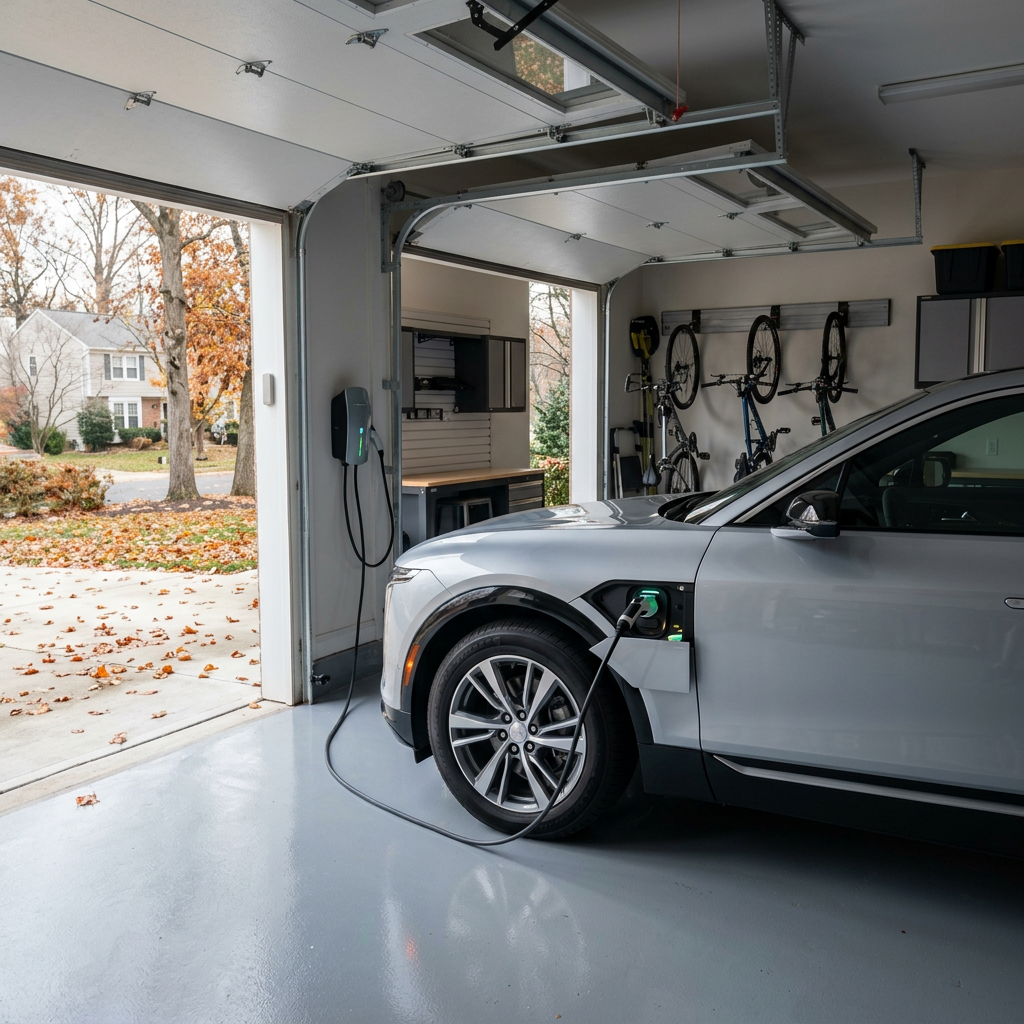
When pre-conditioning your Cadillac EV while connected to a residential 240V Level 2 charger in South Riding or Chantilly, the thermal systems draw between
3.5 kW and 7.5 kW of electrical power depending on ambient cold severity.
If your home charger operates on a 48-amp circuit supplying 11.5 kW, all pre-conditioning power is drawn directly from your home power grid rather than depleting internal battery pack charge. Operating departure pre-conditioning for 20 to 30 minutes consumes approximately 2 to 4 kWh of residential electricity—costing less than $0.50 under local Dominion Energy residential rates—while adding up to 25 miles of winter driving range that would otherwise be spent warming the battery en route.
Can Cabin Warming and Battery Pre-Conditioning Be Scheduled Through the MyCadillac App?
Remote Schedule Integration
Using the MyCadillac mobile app, drivers can set recurring weekly departure schedules. The vehicle automatically calculates required heating start times so cabin temperature and battery readiness sync perfectly with your daily morning departure.
On-Demand Remote Start
Need to leave unexpectedly? Initiate a remote start via the app from your smartphone or smartwatch. The system will activate seat heaters, heated steering wheel, defrost, and battery thermal circulation simultaneously.
Energy Source Prioritization
When plugged in, the app prioritizes wall power to preserve 100% of your targeted state of charge, ensuring maximum highway driving radius when you pull out of your driveway.
Are Local Utility Rebates Available for Installing a Level 2 Home Charger in Northern Virginia?
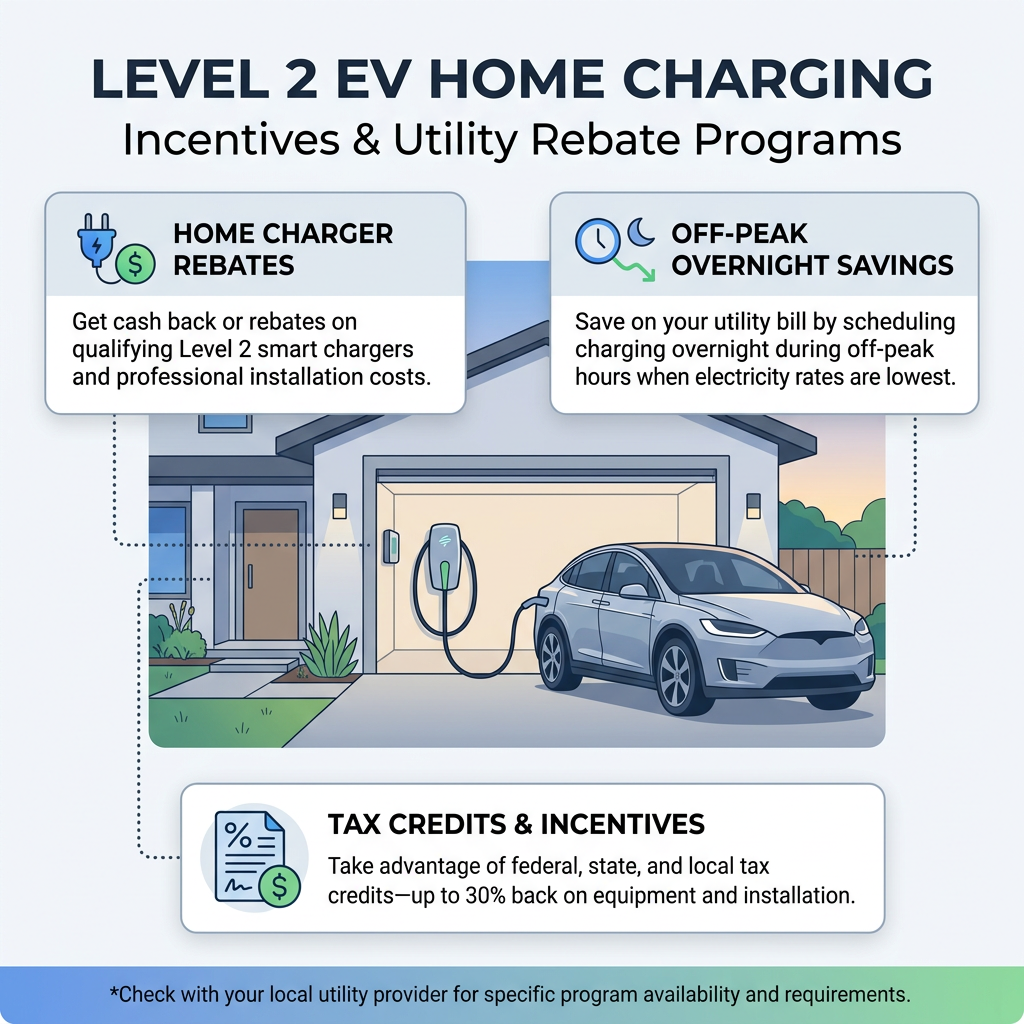
Yes! Northern Virginia EV owners serviced by Dominion Energy can take advantage of substantial financial incentives for home Level 2 charging equipment installation. Dominion Energy offers EV charger rebates that offset costs for qualified smart Level 2 chargers. Additional off-peak charging rewards programs allow you to earn monthly bill credits when scheduling battery pre-conditioning and overnight charging between 12:00 AM and 6:00 AM.
Federal tax credits under Section 30C also provide up to 30% back on residential EV charging equipment and electrical infrastructure upgrade costs. Our team at Moore Cadillac Chantilly assists local owners in selecting GM-approved Ultium Powerup Level 2 wall connectors and coordinating installation through certified electrician partners.
DC Fast Charging Curves: Pre-Conditioned Pack vs. Cold Battery Performance Metrics
The visual data comparison below illustrates the immense difference in charging time and peak power acceptance when plugged into a 350 kW DC Fast Charger at 25°F ambient temperature with and without prior automated pre-conditioning.
| Metric |
Pre-Conditioned Pack (86°F Target) |
Cold-Soaked Pack (30°F Internal) |
Difference / Advantage |
| Peak Charging Rate |
Up to 190 kW |
55 – 75 kW (Throttled) |
+115 kW faster peak rate |
| 10% to 80% Charge Duration |
~30 minutes |
~58 minutes |
28 minutes saved |
| 10-Minute Range Addition |
Up to 77 Miles |
Up to 28 Miles |
+49 Miles added |
| Initial Power Acceptance |
Immediate peak power |
Slow ramp-up (20 min delay) |
Instant optimal velocity |
As demonstrated by empirical test metrics, attempting high-speed charging with a cold-soaked battery drastically reduces peak rate and nearly doubles your stop duration. Allowing Ultium automatic pre-conditioning to activate 15–45 minutes prior guarantees optimal charging efficiency.
Optimizing Route Planning and Public Charger Selection Near Chantilly and Fair Oaks
Navigating the Dulles Tech Corridor and Fairfax County region with an EV is seamless when taking advantage of native route tools. Cadillac’s embedded Google Maps filter allows you to search specifically for High-Power DC Fast Chargers (150 kW and above), ensuring that your pre-conditioning efforts match maximum charger capability.
Whether stopping near Dulles Town Center, Fair Oaks Mall, or major charging hubs along US-50, always set the charger as your active destination rather than simply driving toward the street address. This small step ensures the battery management system triggers conditioning automatically.
Expert EV Battery Health Diagnostics and Certified Service at Moore Cadillac Chantilly
Certified Ultium Technicians
Our master technicians complete rigorous factory training on high-voltage system safety, cell balancing diagnostics, and complex thermal loop maintenance.
Software & Firmware Updates
We ensure your vehicle’s Battery Energy Control Module is running the newest software iterations, improving pre-conditioning logic and overall charging curves.
Comprehensive Thermal Inspection
From multi-channel coolant pressure tests to heat pump performance validation, our service facility in Chantilly ensures peak performance for winter driving.
Test Drive the Future of Luxury EV Driving at Moore Cadillac Chantilly
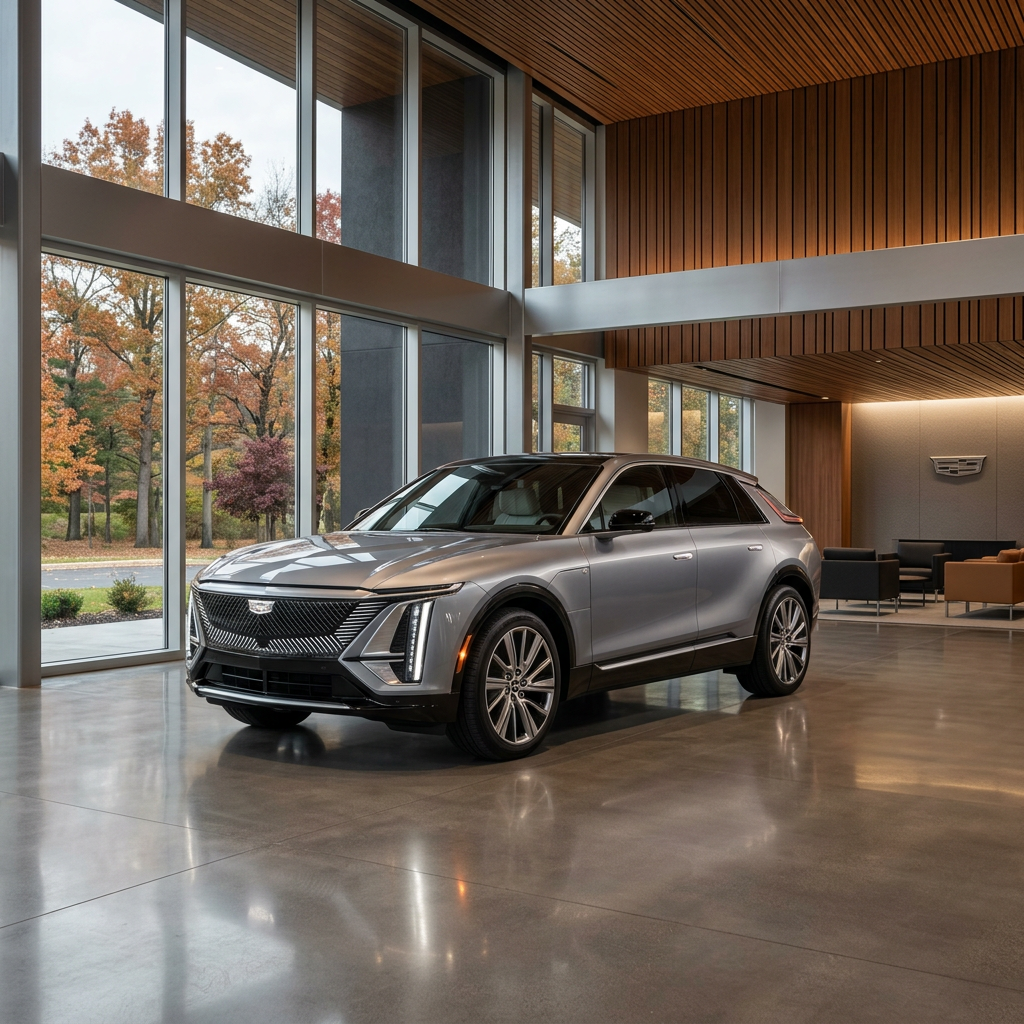
Ready to experience the effortless performance, whisper-quiet cabin, and rapid charging capabilities of the Cadillac electric lineup? Explore our inventory online or visit our showroom located conveniently at 25450 Pleasant Valley Rd, Chantilly, VA 20152.
Whether you are interested in exploring New Cadillac EV Inventory, getting a trade-in appraisal via our Sell Us Your Car portal, or looking at Certified Pre-Owned Vehicles, our team is dedicated to providing an exceptional ownership experience.



0 comment(s) so far on How Far in Advance of Reaching a Charger Does Automatic Pre-Conditioning Activate?