


What Routine Maintenance Items Are Unique to Electric Vehicles?
What Routine Maintenance Items Are Unique to Electric Vehicles?
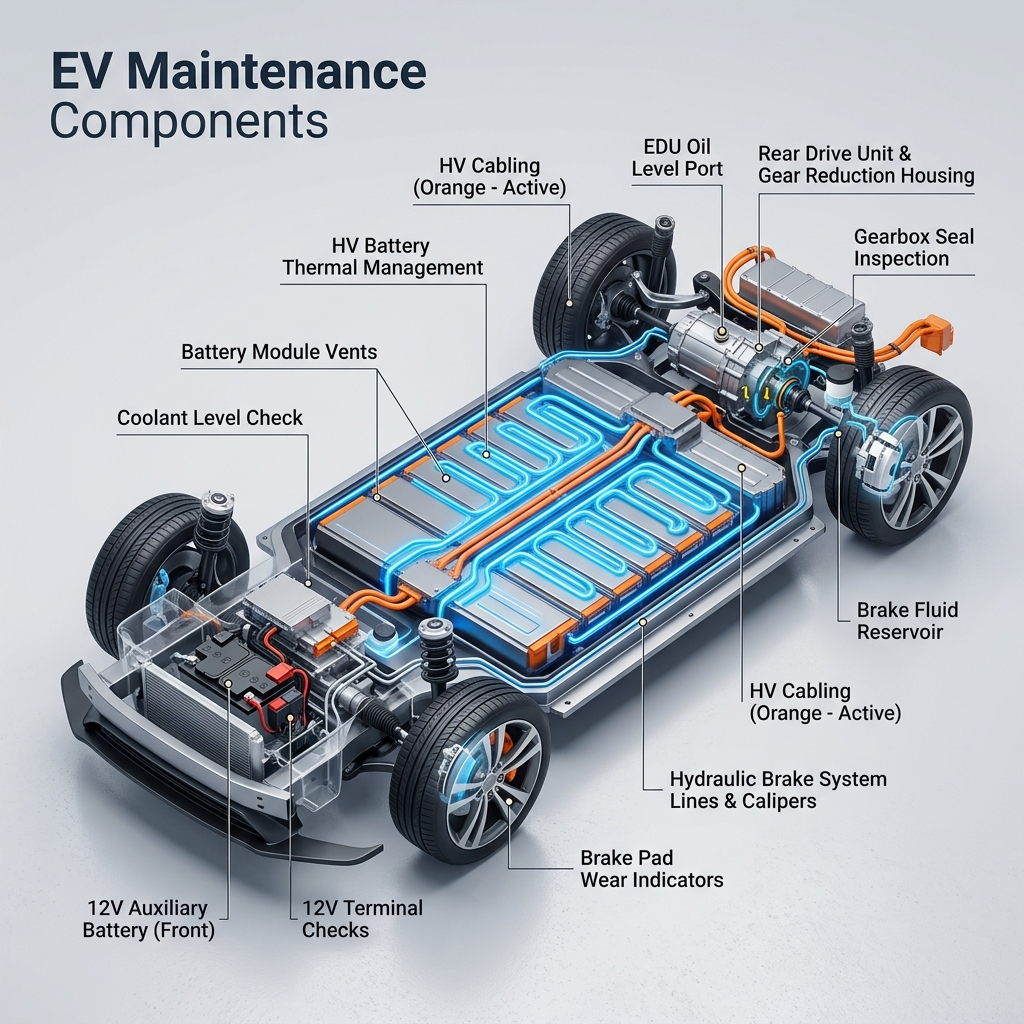
Transitioning from a traditional internal combustion vehicle to a modern luxury electric vehicle (EV) brings a remarkable shift in ownership dynamics. Gone are the days of quarterly engine oil changes, spark plug replacements, timing belt tensioning, transmission fluid flushes, and exhaust system repairs. However, the absence of an internal combustion engine does not mean electric vehicles are entirely maintenance-free. Rather, EVs feature sophisticated high-voltage architecture, intricate thermal management loops, specialized reduction gearboxes, and heavy-torque dynamic demands that require a unique, tailored maintenance routine.
For luxury electric vehicle owners navigating the daily commutes across Northern Virginia—from the corridor of Route 28 and the Dulles Toll Road to the rolling drives of Loudoun County—understanding these specialized service needs is essential to long-term performance, range retention, and vehicle longevity. While an EV eliminates roughly 20 moving parts found in traditional drivetrains, it introduces high-voltage thermal coolant exchanges, electric drive unit fluid inspections, customized brake caliper slide lubrication to combat regenerative-braking rust, and rigorous tire rotation schedules driven by instant electric motor torque. By mastering these unique routine service requirements, drivers can maximize efficiency, preserve battery health, and safeguard their luxury investment for hundreds of thousands of miles.
Key Takeaways at a Glance:
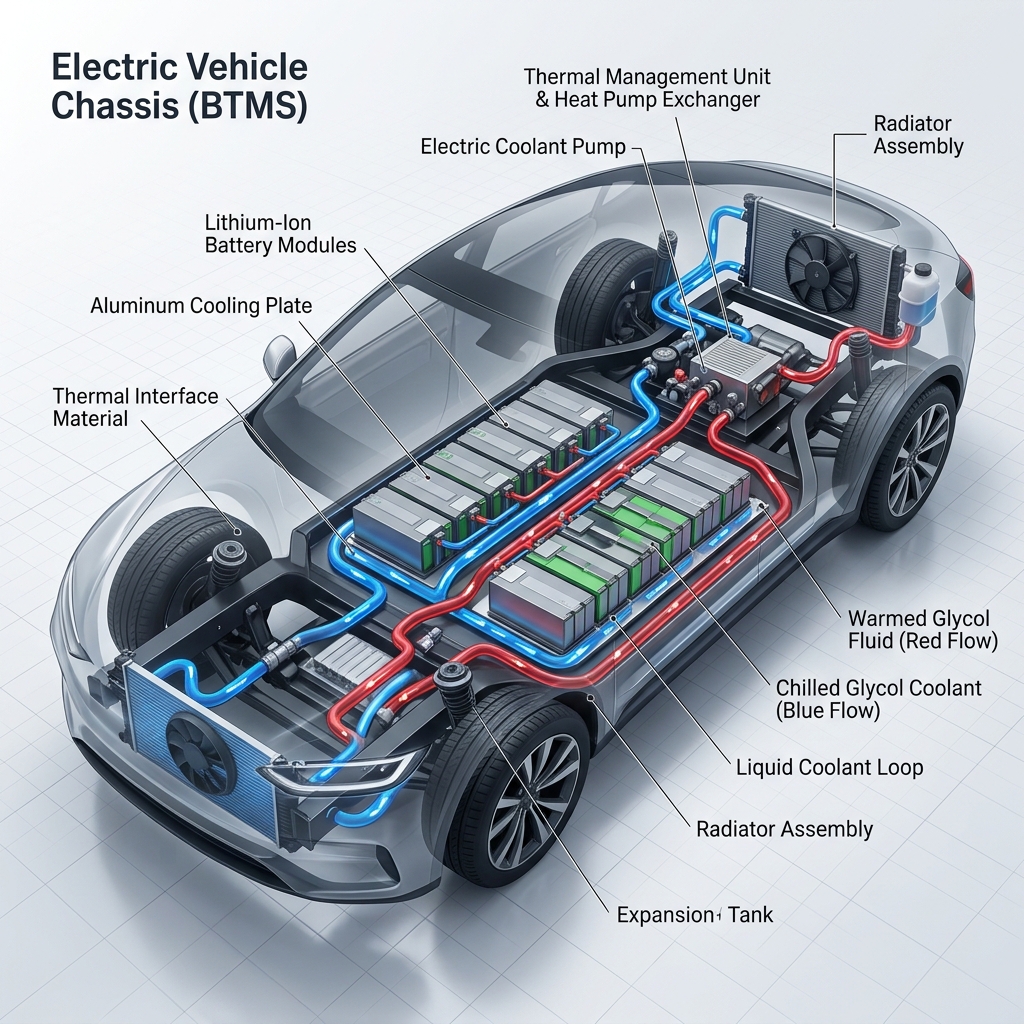
• Thermal Coolant Management: High-voltage battery systems require specialized dielectric or deionized coolant flushes to prevent thermal degradation during extreme temperature spikes.
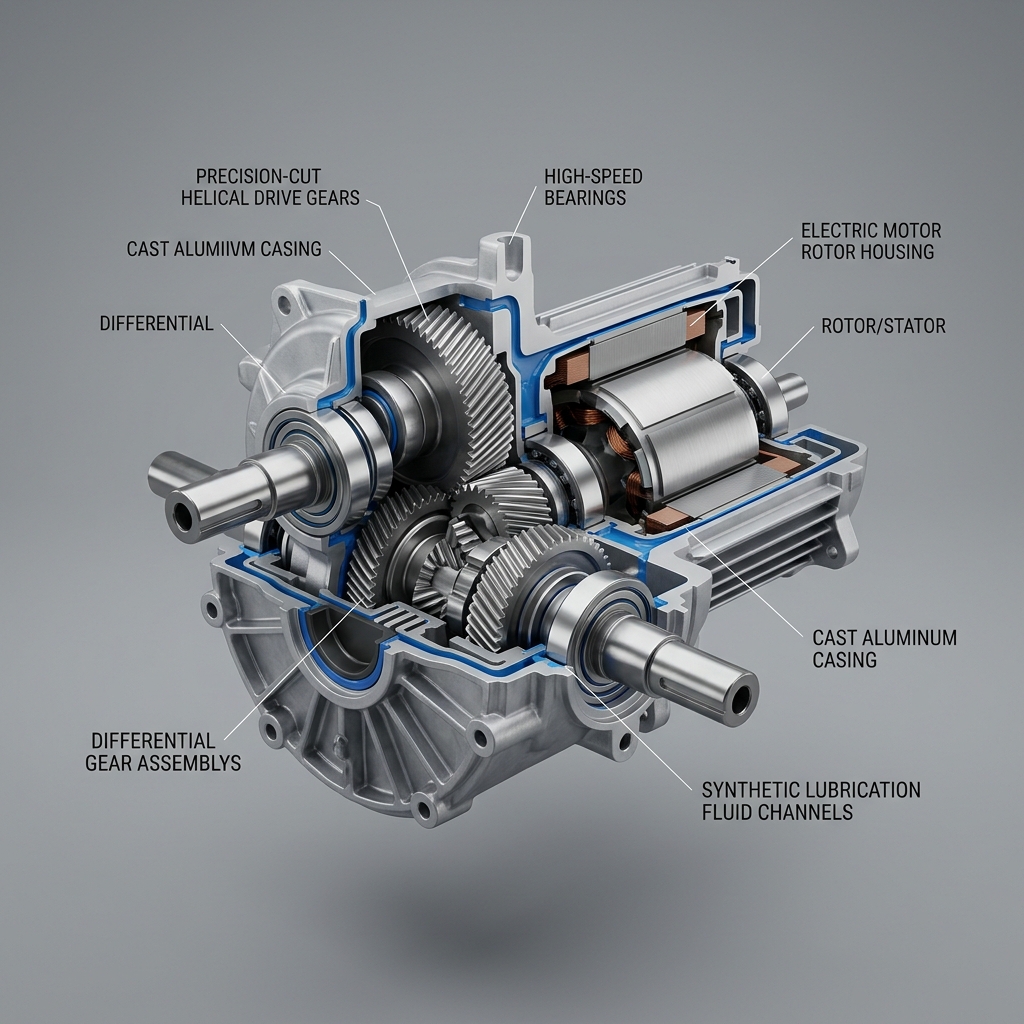
• Electric Drive Unit Service: Single-speed gear reduction units contain specialized synthetic fluid that lubricates precision gear sets and requires periodic sampling and replacement.
• Brake System Care: Because regenerative braking handles up to 90% of deceleration, traditional brake pads last longer, but hydraulic fluid flushes and caliper slide pin lubrication become critical to prevent corrosion.
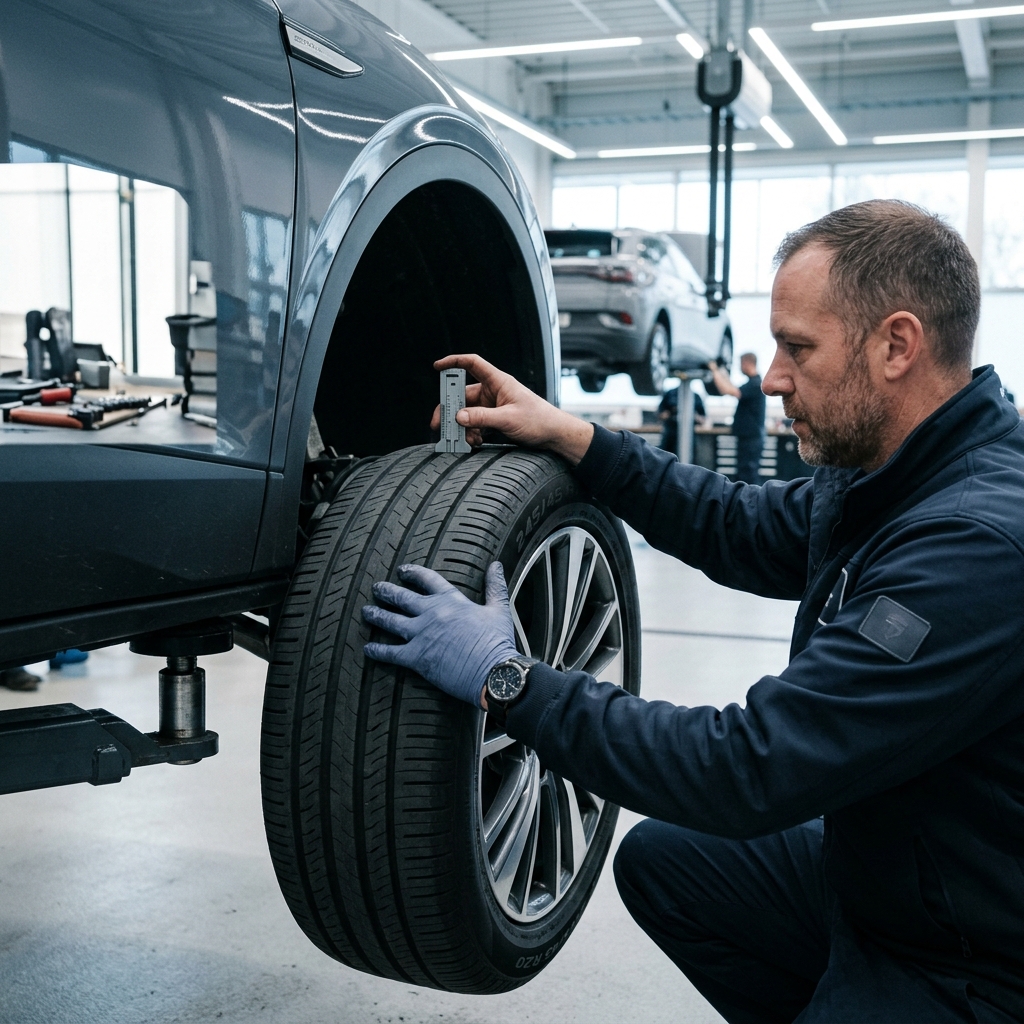
• Heavy-Torque Tire Dynamics: Instant electric motor torque and heavy battery curb weight increase tread wear, demanding 5,000 to 7,500-mile tire rotations and strict low rolling resistance (LRR) tire maintenance.
• Software & OBD-II Diagnostics: Advanced diagnostic scans monitor individual lithium-ion cell voltages, high-voltage contactor relays, and execute crucial over-the-air firmware recalibrations.
• Auxiliary 12V Power: The low-voltage 12V battery powers essential onboard electronics and energizes the high-voltage safety contactors, making regular load testing a top preventative priority.
• Thermal Coolant Management: High-voltage battery systems require specialized dielectric or deionized coolant flushes to prevent thermal degradation during extreme temperature spikes.
• Electric Drive Unit Service: Single-speed gear reduction units contain specialized synthetic fluid that lubricates precision gear sets and requires periodic sampling and replacement.
• Brake System Care: Because regenerative braking handles up to 90% of deceleration, traditional brake pads last longer, but hydraulic fluid flushes and caliper slide pin lubrication become critical to prevent corrosion.
• Heavy-Torque Tire Dynamics: Instant electric motor torque and heavy battery curb weight increase tread wear, demanding 5,000 to 7,500-mile tire rotations and strict low rolling resistance (LRR) tire maintenance.
• Software & OBD-II Diagnostics: Advanced diagnostic scans monitor individual lithium-ion cell voltages, high-voltage contactor relays, and execute crucial over-the-air firmware recalibrations.
• Auxiliary 12V Power: The low-voltage 12V battery powers essential onboard electronics and energizes the high-voltage safety contactors, making regular load testing a top preventative priority.
EV Battery Thermal Management and High-Voltage Coolant Service Explained
Regenerative Braking Maintenance: Hydraulic Fluid, Caliper Lubrication, and Rotor Care
One of the most noticeable benefits of driving an electric vehicle is regenerative braking, which reverses the electric motor’s function during deceleration to capture kinetic energy and convert it back into battery power. While one-pedal driving dramatically reduces physical friction pad wear—allowing original brake pads to often last past 80,000 miles—it creates a paradox that leads to unexpected brake system maintenance challenges if neglected.
Electric Drive Unit Gear Reduction Fluid and Drive Module Inspections
What Does an OBD-II Diagnostic Scan Reveal During an EV Service Visit?
While traditional internal combustion vehicles use the standardized OBD-II port primarily to monitor fuel trims, oxygen sensors, and misfire counters, an electric vehicle’s diagnostic port serves as a gateway to dozens of interconnected microprocessors. Connecting factory diagnostic software during a routine service visit at Moore Cadillac Chantilly reveals a detailed, real-time health profile of your vehicle’s complex electrical architecture.
High-voltage diagnostic protocols evaluate individual battery cell group voltages down to the millivolt level. If a single module exhibits voltage deviation from its neighboring cells, technicians can perform cell balancing routines or detect early signs of battery cell degradation before it impacts overall driving range. Diagnostic scans also interrogate thermal sensor matrices, inverter gate driver performance, DC-to-DC converter efficiency, and high-voltage isolation resistance.
| Diagnostic Metric | Gasoline / Internal Combustion | Modern Electric Vehicle (EV) |
|---|---|---|
| Primary Focus | Air/Fuel ratio, emissions, engine timing | Battery State of Health (SOH), cell balance, thermal loop |
| Power System Monitoring | Alternator voltage (13.5V-14.5V output) | DC-DC converter, HV contactor resistance, isolated bus |
| Thermal Diagnostics | Single engine coolant temp sensor | Multi-zone battery, inverter, & drive motor thermal sensors |
| Fault Diagnostics | P0300 (misfires), catalytic converter codes | Isolation fault codes, thermal run prevention, cell millivolt delta |
| Software Management | Occasional ECU reflashes | Frequent multi-module firmware updates & sensor recalibrations |
Furthermore, diagnostic scans allow technicians to clear persistent shadow codes, execute module recalibrations after tire rotations or brake adjustments, and verify over-the-air (OTA) software patch installations to ensure your electric powertrain runs on the latest factory algorithms.
Heavy-Torque EV Tires: Rotation Schedules, Alignment, and Low Rolling Resistance Maintenance
Cabin Air Filters and Heat Pump Air Conditioning System Maintenance
In traditional gasoline cars, engine waste heat is utilized to warm the passenger cabin during cold weather. Electric vehicles lack a hot combustion engine block, requiring advanced climate control engineering. Modern EVs rely on high-efficiency heat pump loops and resistive electric heaters to manage cabin temperature while conserving battery power.
Is Factory Dealer Service Worth the Higher Cost Compared to Independent Mechanics?
What Is the Recommended Maintenance Schedule for Modern Vehicles and EVs?
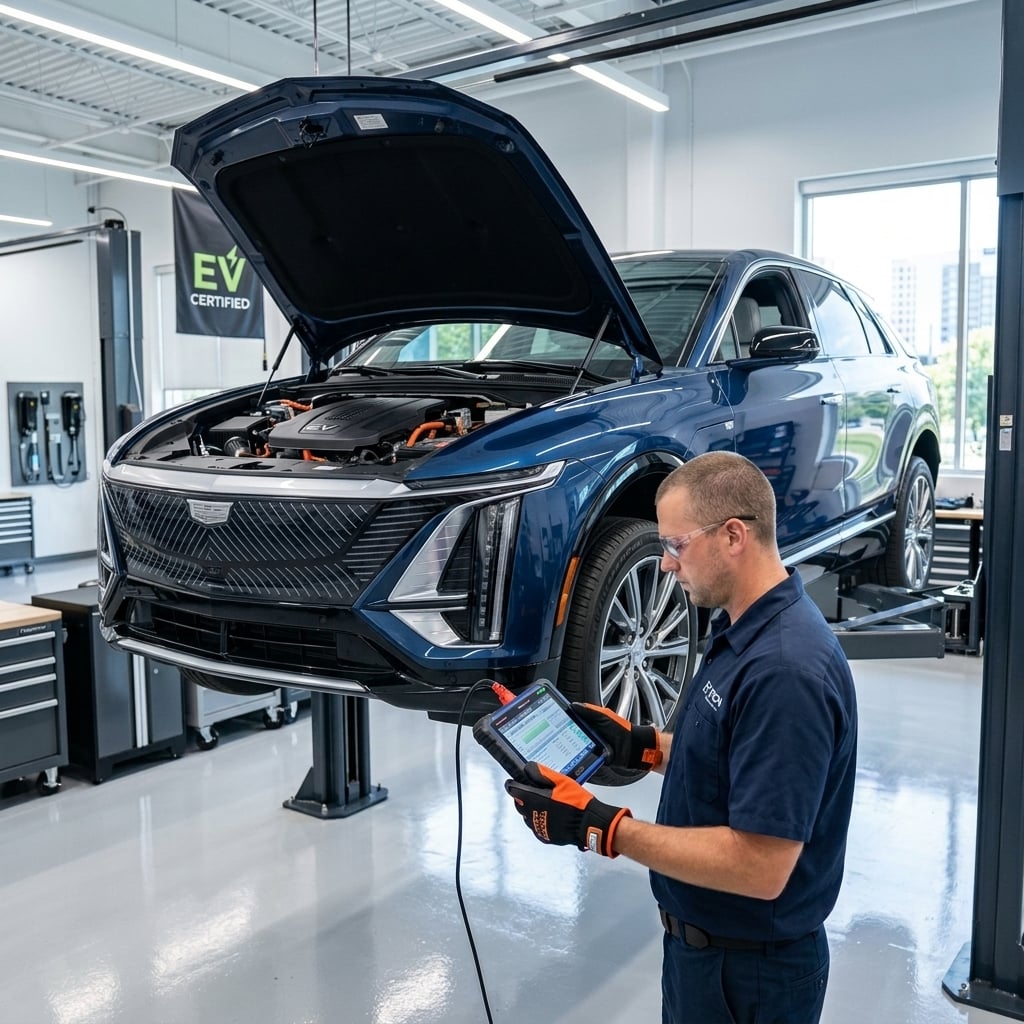
Adhering to a structured maintenance timeline is the single best action an electric vehicle owner can take to preserve range, thermal efficiency, and mechanical durability. Below is a comprehensive interval roadmap contrasting routine electric vehicle maintenance milestones against traditional maintenance timelines across 150,000 miles of driving.
| Mileage Interval | Electric Vehicle (EV) Maintenance Items | Conventional (ICE) Vehicle Items |
|---|---|---|
| 7,500 Miles | Tire rotation, multi-point inspection, brake line & pad visual check, washer fluid top-off | Engine oil & filter change, tire rotation, multi-point inspection |
| 15,000 Miles | Tire rotation, cabin HEPA air filter replacement, wiper blade replacement, chassis lube check | Engine oil & filter change, tire rotation, cabin air filter, engine air filter |
| 22,500 Miles | Tire rotation, brake caliper slide cleaning & lubrication, high-voltage battery insulation scan | Engine oil & filter change, tire rotation, fuel system cleaner |
| 45,000 Miles | Hydraulic brake fluid flush, drive unit fluid inspection, AC desiccant check, suspension alignment check | Engine oil & filter change, transmission fluid service, engine air filter, spark plugs (some models) |
| 75,000 Miles | Electric drive unit gear reduction fluid flush, thermal coolant loop concentration test | Engine oil, serpentine belt replacement, spark plugs, radiator flush, brake flush |
| 150,000 Miles | High-voltage battery thermal coolant exchange, comprehensive suspension bushing overhaul | Engine oil, timing belt/chain replacement, water pump, catalytic converter check |
Notice how the electric vehicle maintenance schedule completely eliminates oil changes, engine air filters, drive belt replacements, and exhaust system services, significantly reducing the overall frequency of intrusive mechanical services while focusing on preventive electrical and thermal care.
Do Service Centers Offer Loaner Vehicles or Shuttle Services During Repairs?
12-Volt Auxiliary Battery Testing and High-Voltage System Interlocks
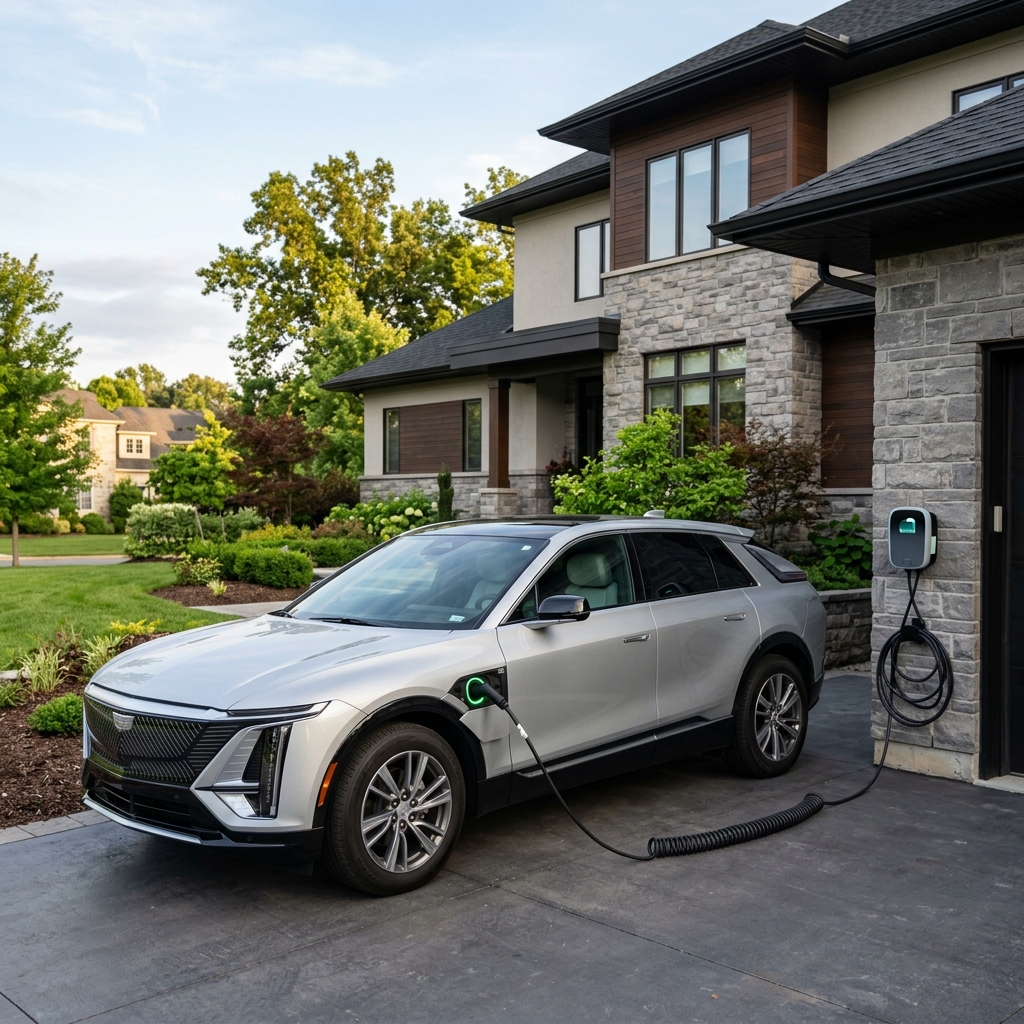
A common point of confusion for new electric vehicle owners is why an EV still requires a conventional 12-volt auxiliary battery when it carries a massive high-voltage battery pack beneath the floorboards. Understanding this dual-battery setup is essential to preventing unexpected vehicle lockouts.
Seasonal Electric Vehicle Care for Northern Virginia Commuters
Schedule Certified Electric Vehicle Maintenance at Moore Cadillac Chantilly
While electric vehicles eliminate the frequent oil changes and mechanical repairs required by traditional gasoline engines, their advanced high-voltage thermal loops, instant-torque tire wear patterns, reduction gearboxes, and precision brake components demand specialized, knowledgeable attention. Trusting your vehicle to certified electric vehicle experts ensures every mile driven across Chantilly, Ashburn, and Loudoun County remains smooth, efficient, and reliable.
At Moore Cadillac Chantilly, our master technicians are fully certified in high-voltage diagnostics, equipped with factory tools, and dedicated to maintaining the luxury standards of your electric vehicle. Whether you require a routine tire rotation, a high-voltage thermal coolant inspection, or a 12V battery health assessment, we invite you to experience our white-glove service standards.
Have questions about your electric vehicle service schedule? Call us at (703) 939-9351 to speak with a dedicated service advisor today, or get turn-by-turn navigation to our service center: Get Directions to Moore Cadillac Chantilly at 25450 Pleasant Valley Rd, Chantilly, VA 20152.
0 comment(s) so far on What Routine Maintenance Items Are Unique to Electric Vehicles?