How Long Does the Trade-In Appraisal Road Test Typically Take? Direct Answer and Timeline
When evaluating your vehicle for a trade-in, the behind-the-wheel road test portion typically takes between 5 to 10 minutes. The entire physical trade-in appraisal—from the moment you hand over your keys at our dealership to receiving a formal, written cash offer or trade allowance—takes approximately 15 to 30 minutes in total. This quick, transparent evaluation is designed to respect your busy schedule while providing a precise, market-reflective valuation of your vehicle.
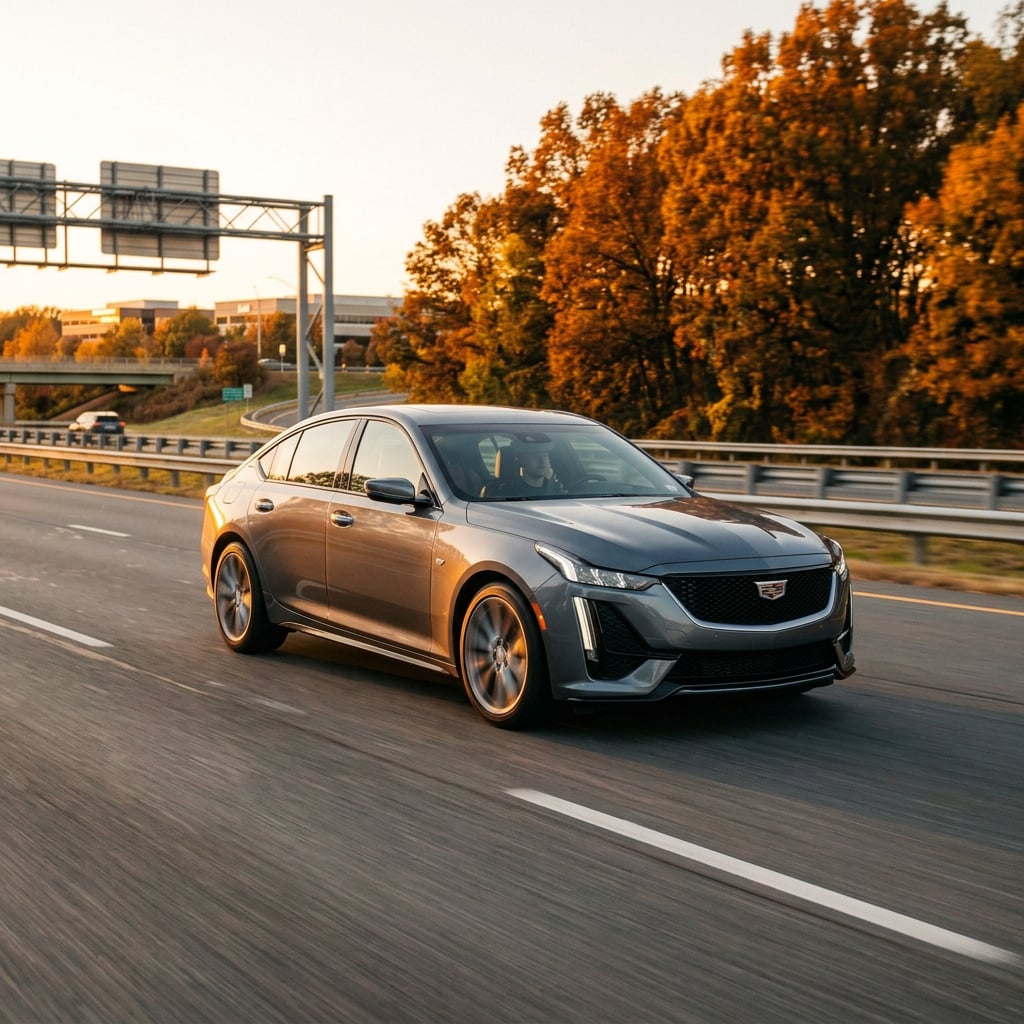
During the 5-to-10-minute road test, a professional vehicle evaluator at Moore Cadillac Chantilly takes your vehicle on a brief loop along local thoroughfares, such as Pleasant Valley Road, Route 50, or Route 28 near South Riding and Chantilly. This short drive gives our appraisal specialists sufficient time to verify engine responsiveness, transmission shift quality, braking stability, power steering alignment, and cabin noise isolation under real-world suburban driving conditions.
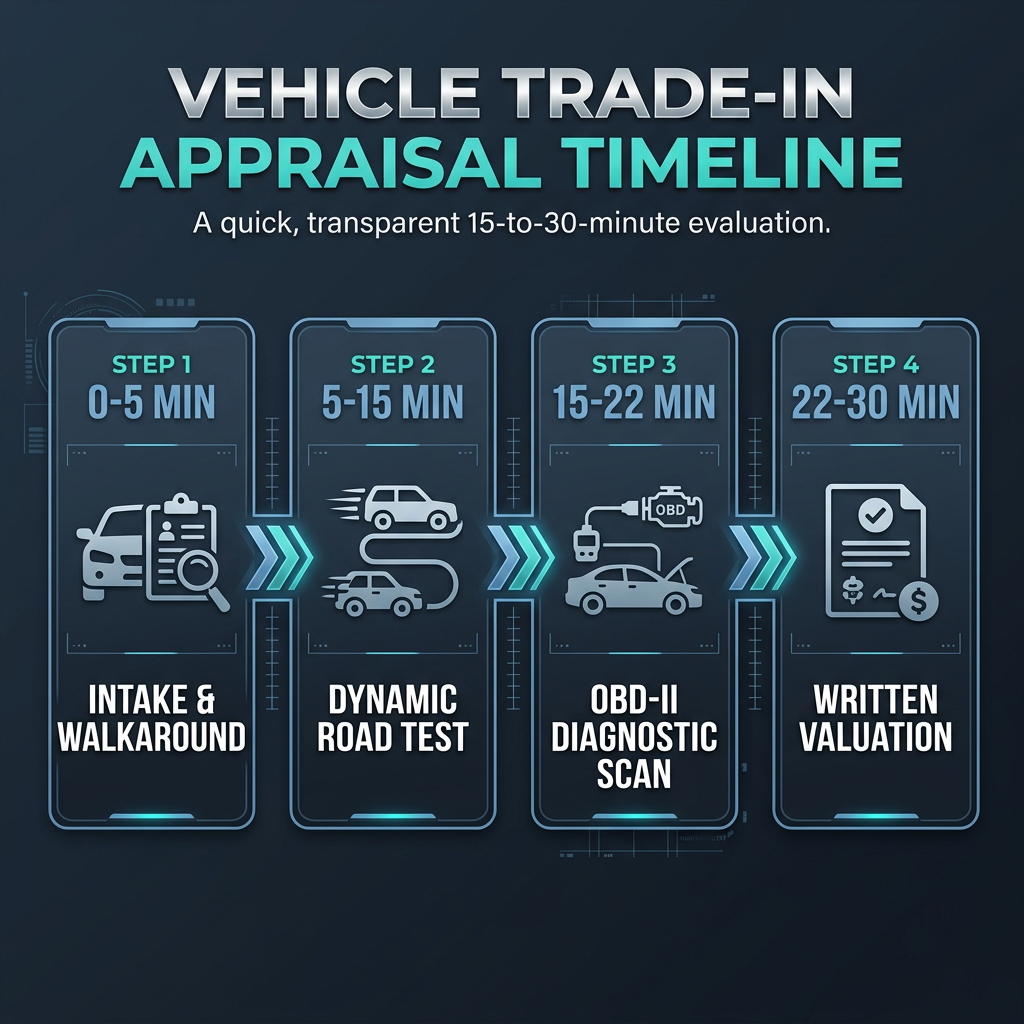
To help you plan your visit, here is a breakdown of how those 15 to 30 minutes are spent during an in-person vehicle evaluation:
• Minutes 0–5: Initial Intake & Walkaround. Your evaluator reviews your vehicle’s VIN, confirms key details (trim level, optional packages, total mileage), and conducts an exterior body and glass inspection. • Minutes 5–15: Dynamic Road Test. The 5-to-10-minute drive tests engine acceleration, transmission shifting, suspension absorption, and brake performance across speed changes and turns. • Minutes 15–22: Under-Hood & OBD-II Diagnostic Scan. Fluid levels, engine bay integrity, battery condition, and active diagnostic trouble codes (DTCs) are checked. • Minutes 22–30: Market Analysis & Official Written Offer. Our team cross-references live Northern Virginia market data, vehicle history reports, and reconditioning requirements to calculate your top-market trade value.
Whether you are planning to upgrade into a luxurious new Cadillac vehicle or simply want to
Sell Us Your Car outright, our process is structured to deliver complete clarity without tedious waiting times. You are always welcome to ride along during the test drive or relax in our comfortable showroom lounge while our specialists complete the evaluation.
What Physical Components Are Inspected During an In-Person Trade-In Appraisal?
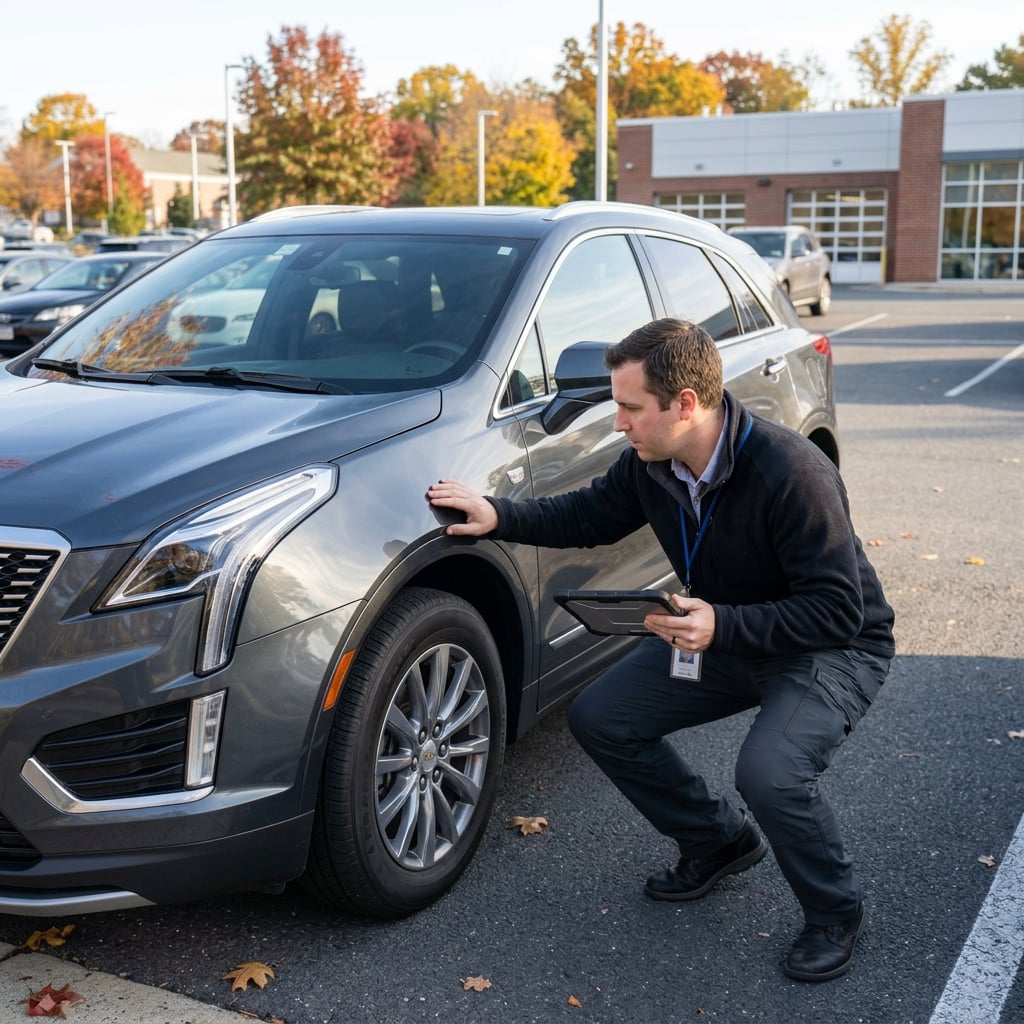
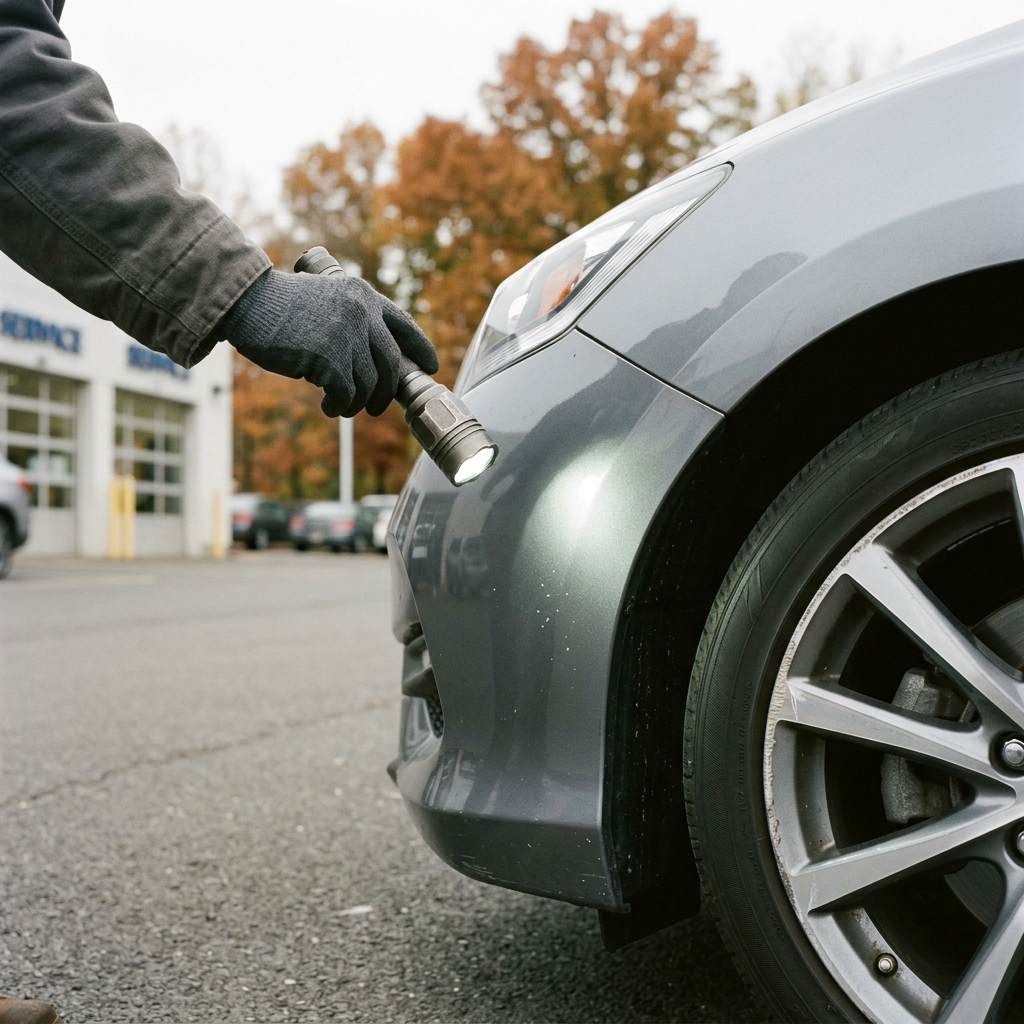
Before turning the ignition key, our certified appraisers complete a thorough physical walkaround. This static inspection examines the structural, cosmetic, and functional condition of your vehicle’s exterior components. Because exterior condition dictates immediate resale appeal and reconditioning expense, each body panel is systematically reviewed under clear lighting.
Key physical components reviewed on the vehicle exterior include:
• Body Panels & Paint Integrity: We inspect fenders, doors, hood, trunk lid, and quarter panels for dents, scratches, paint fading, or signs of prior collision repair. Consistent panel gaps and original paint depth indicate factory structural integrity. • Glass & Mirrors: Windshields are checked for chips, bullseyes, and cracks that could impede visibility or driver assistance camera systems. Side windows, rear glass, and power side mirrors are tested for power operation and heating element function. • Tires & Wheels: Using digital tread depth gauges, appraisers measure remaining tire life across all four wheels. Even tread wear suggests proper wheel alignment, while uneven wear may point to suspension or alignment needs. Alloy wheels are inspected for curb rash or structural bends. • Lighting Systems: Headlamps, LED daytime running lights, fog lights, brake lights, and turn signals are verified for operational clarity and lens housing condition.
Moving inside the cabin, the physical inspection focuses on materials, ergonomics, electronics, and structural comfort. Premium luxury vehicles like those in our
Used Inventory rely heavily on pristine interior presentation. •
Upholstery & Seating: Leather, leatherette, or cloth surfaces are checked for tears, seam separation, staining, or burn marks. Power seat adjustments, memory settings, heating, and ventilation functions are tested. •
Dashboard & Electronics: Touchscreen infotainment displays, digital gauge clusters, climate controls, navigation systems, and audio interfaces are cycled through to confirm full functionality. •
Cabin Odor & Cleanliness: Excess smoke, pet odors, or water dampness under floor mats can indicate hidden moisture or HVAC filter needs, influencing overall valuation.
Inside the 5-to-10-Minute Road Test: What Appraisers Check Behind the Wheel
The road test is the dynamic cornerstone of the trade-in valuation. While a vehicle may look stunning parked on a lot, its driveability, mechanical harmony, and occupant comfort determine its true market value. During the 5-to-10-minute test drive, our experienced evaluators focus on key mechanical operational metrics.
Powertrain & Transmission
Appraisers evaluate initial engine startup, throttle responsiveness, and smooth acceleration. As the vehicle shifts through gear ratios, we monitor for transmission slippage, delayed engagement, harsh gear hunting, or abnormal torque converter shudder under load.
Braking & Steering Alignment
Brake pedal feel, stopping power, rotor pulsation, and ABS engagement are tested during moderate decelerations. Steering alignment is checked on straight roads to ensure zero vehicle pull, while power steering assistance is monitored for quiet, effortless turn-in.
Suspension & Cabin NVH
Driving over uneven surfaces helps appraisers detect worn struts, bad control arm bushings, or sway bar clunks. Noise, Vibration, and Harshness (NVH) levels are monitored to confirm cabin tranquility and proper weatherstripping sealing.
What Mechanical and Under-Hood Components Are Checked During a Trade-In Appraisal?
Following the test drive, the evaluator pops the hood to examine critical mechanical systems and powertrain health. An engine bay speaks volumes about how meticulously a vehicle was maintained throughout its lifetime.
Key under-hood and mechanical inspection points include:
• Fluid Levels & Condition: Engine oil level and clarity, coolant reservoir volume, transmission fluid (where accessible), brake fluid color, and power steering fluid are checked. Dark, burnt, or contaminated fluids indicate deferred maintenance. • Active Leak Detection: Appraisers look for fresh oil dampness around valve cover gaskets, oil pan seals, timing covers, and radiator hose connections. • Drive Belts & Hoses: Serpentine belts are inspected for cracking or fraying, while radiator hoses are checked for swelling, soft spots, or brittle aging.
Modern trade-in evaluations also utilize advanced electronic diagnostic tools to read vehicle computer memory:
• OBD-II Diagnostic Trouble Code Scan: An electronic scanner plugs into your vehicle’s On-Board Diagnostics port to check for stored fault codes, even if the Check Engine light has been recently reset. • Battery & Charging System Health: Battery terminal post corrosion, casing age, and alternator charging voltage under load are evaluated to ensure reliable cold starts. • Cooling System & Turbocharger Integrity: On turbocharged models, intercooler plumbing, turbo oil lines, and cooling fan activation are checked to confirm optimal engine thermals.
If your current vehicle is due for routine upkeep or minor service checks, you can readily
Schedule Your Service Appointment with our master technicians to keep your current car in peak condition.
Should Fluid Leaks or Minor Engine Services Be Fixed Prior to Trading In?
A common dilemma facing car owners in Chantilly is whether to spend out-of-pocket money repairing minor mechanical issues or fluid dampness before bringing their car in for appraisal. In almost all cases, it is NOT financially advantageous to pay retail repair costs right before trading in your vehicle.
As an authorized dealership, Moore Cadillac Chantilly performs reconditioning services in-house at wholesale internal shop rates. For example, replacing a minor weeping valve cover gasket might cost you $500 to $800 at a retail repair facility. However, our internal cost deduction during an appraisal will typically reflect internal wholesale labor and parts rates, which are significantly lower than consumer retail prices.
When to Fix Prior to Appraisal:• Routine maintenance like topping off low washer fluid or addressing an active oil change reminder light. • Fixing simple safety items like a blown tail bulb or windshield wiper blades.
When to Leave As-Is:• Minor oil dampness, seepage, or minor engine oil pan leaks that do not cause active drippage. • Complex mechanical services like timing belt replacements, water pumps, or transmission flushes. Save your out-of-pocket cash and let our reconditioning team handle minor repairs. If you have questions about specific service parts or replacement items, you can always
Contact Our Parts Department for expert guidance.
Should Exterior Dings or Chips Be Fixed Before an In-Person Appraisal?
Commuting across Northern Virginia highway corridors like Route 28, Route 50, and the Dulles Toll Road routinely exposes vehicles to flying gravel, construction debris, and tight parking garage spaces. Minor rock chips on the hood, door dings, and slight wheel scrapes are completely expected on pre-owned commuter vehicles.
Here is how to evaluate cosmetic reconditioning before your trade-in appointment:
• Minor Rock Chips & Hairline Scratches: Leave them as-is. Appraisers expect normal wear-and-tear appropriate for your vehicle’s age and mileage. Retail body shop paint touch-up fees rarely yield a 1:1 return in trade value. • Door Dings & Paintless Dent Repair (PDR): Unless you have inexpensive PDR coverage or access to discounted dent repair, paying out-of-pocket for individual dent removal is seldom cost-effective. • Windshield Chips vs. Cracks: Small star chips can often be filled cheaply by auto glass services. However, if your windshield has a spreading crack that spans across the driver’s line of sight, having it replaced prior to trade-in can protect your valuation.
At Moore Cadillac Chantilly, our reconditioning specialists maintain streamlined, volume-based partnerships with certified paintless dent repair technicians, wheel refinishers, and glass specialists. We can rectify minor cosmetic flaws far more affordably than an individual retail customer, preserving maximum value in your trade calculation.
Which Exterior, Interior, and Mechanical Components May Be Checked During an In-Person Appraisal?
To give you complete transparency into our 15-to-30-minute evaluation process, we have categorized the primary components checked during an in-person vehicle inspection across three major operational areas.
Exterior & Body Work
• Paint finish, scratches, & micro-dents • Panel alignment & accident repair history • Windshield, window, & mirror glass condition • Tire tread depth & sidewall integrity • Alloy wheel curb rash or bending • Headlamp clarity & LED operation • Sunroof/moonroof weather seals
Interior & Cabin Tech
• Leather/cloth upholstery condition • Power seat, memory, & heat/vent features • Touchscreen infotainment & Bluetooth • Dual-zone HVAC heating & cooling performance • Cabin odor (smoke, pet, moisture) • Dashboard gauge indicators & cluster • Steering wheel button responsiveness
Mechanical & Drivetrain
• Engine start smoothness & idle stability • Transmission shift quality & gear response • Brake rotor smoothness & pad thickness • Steering alignment & suspension damping • OBD-II computer code diagnostic scan • Fluid levels, belts, & hose condition • Battery voltage & alternator charge
| Inspection Category |
Primary Evaluation Items |
Appraisal Impact Level |
| Exterior & Glass |
Paint condition, dent severity, tire tread depth, windshield cracks |
Moderate to High |
| Interior & Comfort |
Seat upholstery wear, screen responsiveness, cabin odors, controls |
Moderate |
| Mechanical & Drivetrain |
Engine idle, shift quality, brake feel, steering alignment, suspension |
High to Critical |
| Diagnostics & Fluids |
OBD-II error codes, fluid clarity, active leaks, battery test |
High |
Can the In-Person Inspection Change an Estimate Made Online?
Yes, an in-person physical appraisal can adjust an initial online instant trade estimate—and that adjustment can be either upward or downward depending on what the appraiser verifies. Online valuation tools rely on user-selected condition categories (such as ‘Good’ or ‘Excellent’) and algorithmic market averages. However, algorithms cannot see, smell, or drive your car.
Why an In-Person Valuation May Increase:
• Your vehicle possesses desirable luxury options not captured online (e.g., adaptive suspension, premium Bose sound system, head-up display).
• Brand-new premium tires or recently documented major maintenance services.
• Exceptionally immaculate interior condition that elevates the car to top-tier resale quality.
Why an In-Person Valuation May Adjust Downward:
• Unreported mechanical issues, such as transmission hesitation or active Check Engine diagnostic codes.
• Heavy tire wear below legal safety limits requiring immediate replacement.
• Unrevealed cosmetic damage or prior frame repair noted during physical inspection.
• Mismatched trim package details.
To get an accurate baseline quote before your visit, you can quickly enter your vehicle details using our online tool to
Sell Us Your Car.
How Northern Virginia Driving Conditions Impact Your Car’s Appraisal Value
Vehicle appraisals in Chantilly, Ashburn, Sterling, and South Riding are heavily influenced by local geographical and commuting realities. Northern Virginia’s unique mix of heavy traffic corridors, seasonal winter weather, and suburban sprawl creates specific wear patterns that our appraisers understand thoroughly.
1. Stop-and-Go Highway Commuting: Heavy rush-hour congestion along I-66, Route 28, and the Dulles Toll Road places increased wear on brake pads, rotors, and transmission clutch packs compared to rural highway driving. Vehicles with well-maintained braking systems stand out during our road test.
2. Winter Road Salt & Chemical De-Icers: Loudoun and Fairfax County road crews frequently apply brine and rock salt during winter months. Undercarriage inspections check for surface rust on subframes, exhaust hangers, and suspension arms. Drivers who regularly wash their vehicle’s undercarriage in winter preserve significantly better trade value.
3. High Demand for AWD & Cross-overs: Northern Virginia buyers strongly favor All-Wheel Drive (AWD) models and luxury crossovers due to variable regional weather. Having an AWD vehicle can bolster local resale demand when you explore our
Browse New Inventory options.
Four Quick Steps to Prepare Your Vehicle for a Swift 15-Minute Appraisal
Want to streamline your dealership visit and ensure your appraisal is completed as quickly as possible? Following these four quick steps helps our team evaluate your car efficiently:
1. Clear Personal Items
Remove personal belongings from the cabin, trunk, glove box, and center console. A clean, uncluttered interior allows the appraiser to inspect seating surfaces and cargo space without delay.
2. Gather Key Fobs & Title
Bring all original factory key fobs, valet keys, wheel lock keys, and owner manuals. Having the title or active payoff information ready speeds up transaction paperwork.
3. Maintenance Records
Bring printed or digital receipts for recent oil changes, brake service, or tire replacements. Documented service history proves meticulous care and maximizes valuation.
Applying Your Trade-In Value Toward Your Next Purchase or Lease
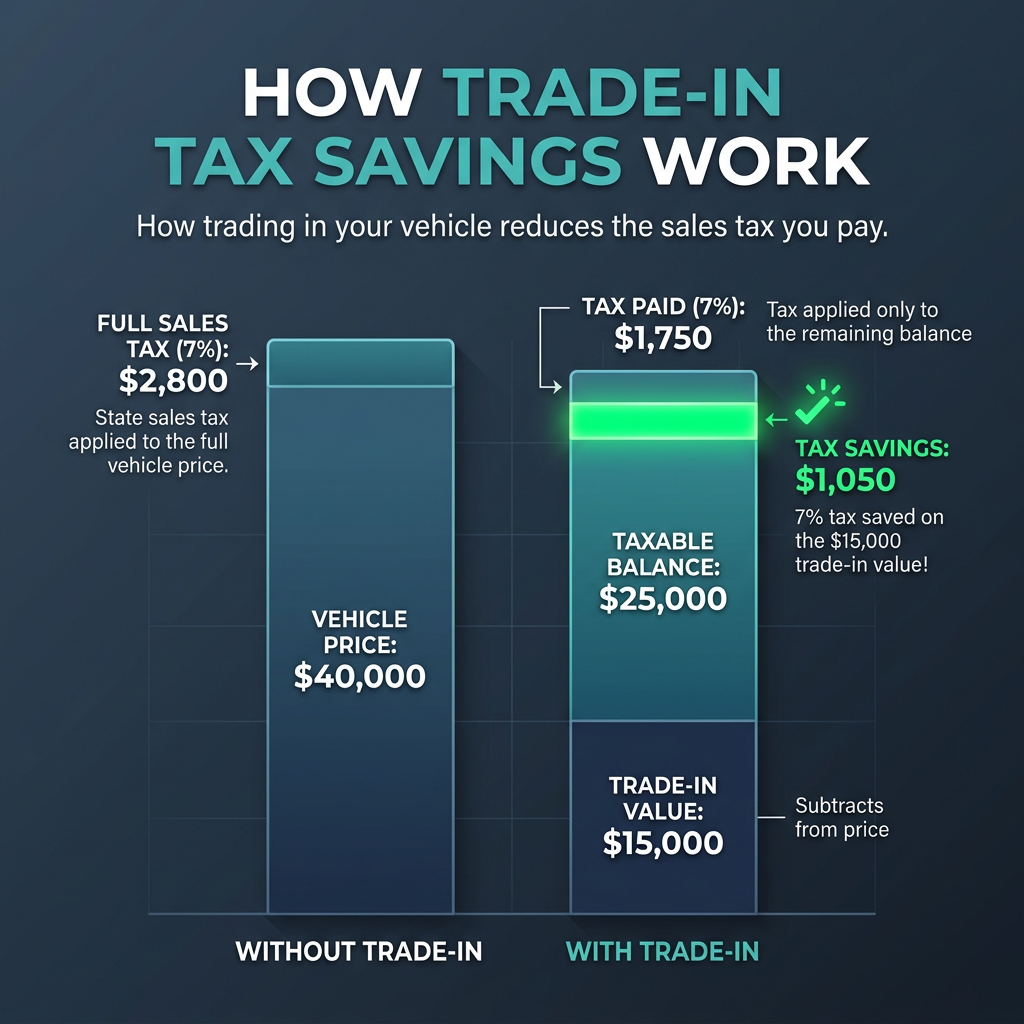
Once your appraisal offer is finalized, your trade-in equity acts as an immediate down payment toward your next vehicle purchase or lease. In Virginia, trading in a vehicle also delivers significant state sales tax benefits.
Virginia Trade-In Tax Advantage: In Virginia, when you trade in a car toward another vehicle purchase, you only pay state motor vehicle sales tax on the difference between the new car’s price and your trade-in value. For example, if your new Cadillac costs $60,000 and your trade-in is valued at $25,000, you are only taxed on the remaining $35,000 balance—saving you hundreds of dollars in state taxes compared to selling privately.
Common Appraisal Myths: Debunking Misconceptions About Inspection Time and Valuations
Myth 1: You must pay for an expensive full detail before an appraisal.Fact: While a clean car creates a great first impression, spending $200+ on professional auto detailing is unnecessary. A basic car wash and quick interior vacuum are all that is required for appraisers to properly evaluate body panels and interior condition.
Myth 2: Appraisal road tests take hours and keep you stuck at the dealership.Fact: The road test itself takes only 5 to 10 minutes, and the complete appraisal wrap-up takes 15 to 30 minutes. At Moore Cadillac Chantilly, we respect your time and provide straightforward written offers promptly.
Myth 3: Minor cosmetic wear will invalidate an online estimate.Fact: Standard rock chips, minor door dings, and slight upholstery wear are accounted for in general market valuations. Only unaddressed major body damage or mechanical failure results in significant appraisal adjustments.
Myth 4: You must buy a car from us to get a trade appraisal.Fact: Our appraisal offers carry zero obligation to purchase. We are happy to buy your car outright even if you choose not to buy from us.
Schedule Your Fast, No-Obligation Trade-In Appraisal Today
Ready to discover the exact cash or trade value of your car in under 30 minutes? Visit the experienced vehicle acquisition team at Moore Cadillac Chantilly. Conveniently located at 25450 Pleasant Valley Rd, Chantilly, VA 20152, we serve drivers throughout Chantilly, South Riding, Ashburn, Sterling, and Fairfax County.



0 comment(s) so far on How Long Does the Trade-In Appraisal Road Test Typically Take?